
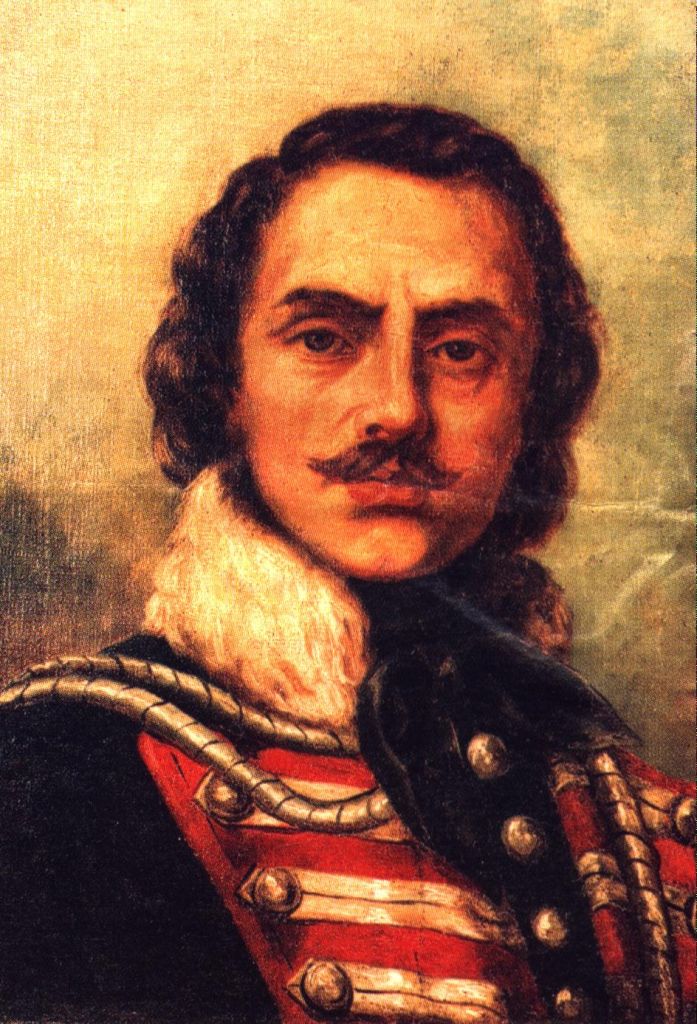
As plans move forward for a new monument to General Casimir Pulaski in St. Louis, this reflection invites the Polish-American community to consider not only who we honor, but also how, where, and why we choose to commemorate our shared heritage.
A Case for Greater Scrutiny: The New Pulaski Monument in St. Louis
A perspective from the Saint Louis Polonia community ahead of the dedication ceremony
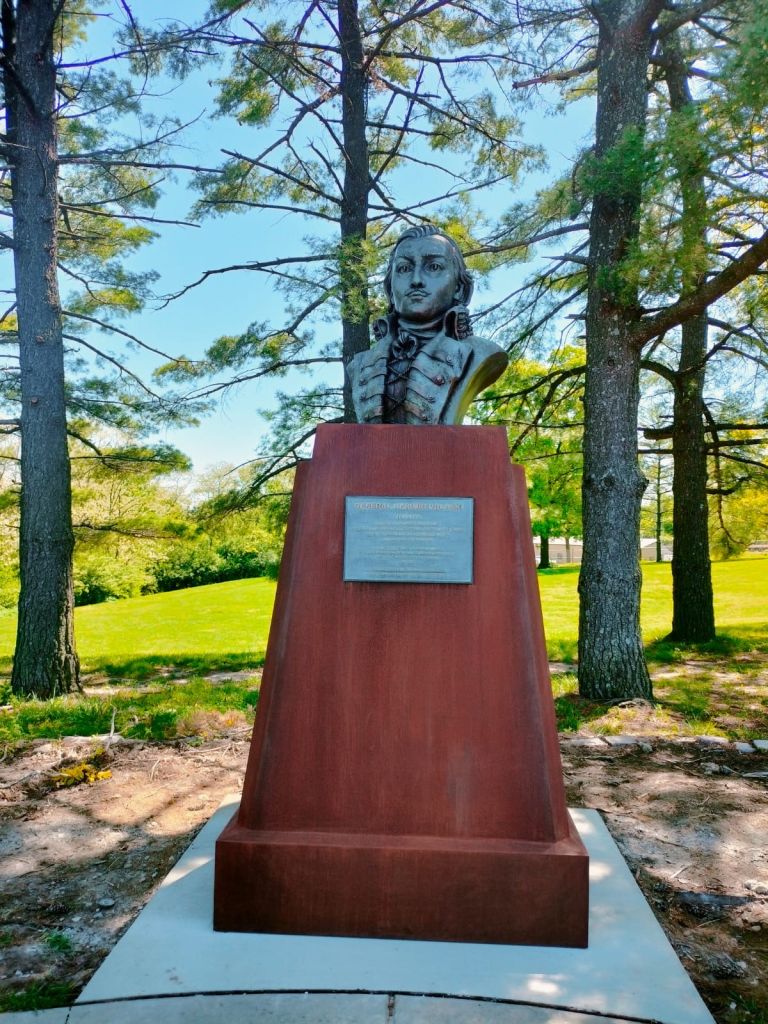
The forthcoming installation of a new sculpture honoring Casimir Pulaski in Jefferson Barracks Park is, in principle, a welcome recognition of a figure whose legacy bridges Poland and the United States. General Pulaski’s contributions are unquestioned, and his place in both nations’ histories merits continued commemoration.
Precisely because such commemorations carry public meaning—and, in this case, public funding—it is appropriate to apply a degree of scrutiny to how and why they are realized.
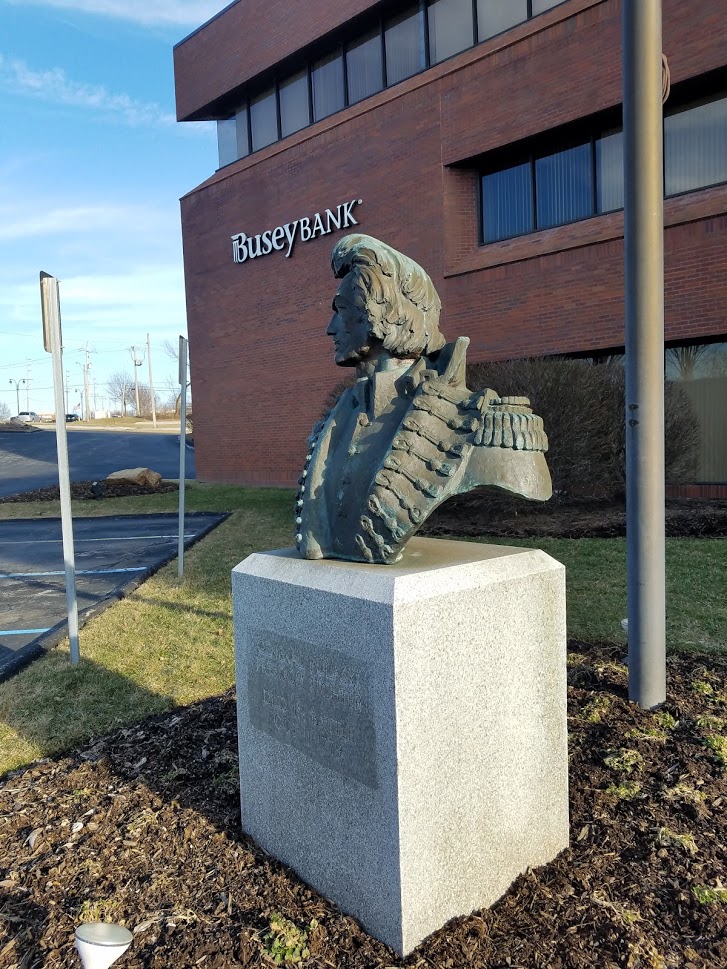
A central question is whether this particular monument responds to a clearly identified community need. General Pulaski is already widely recognized through place names, events, and existing works of art, including a sculpture at the former Pulaski Bank site just a few miles away. In that context, commissioning an additional monument, rather than enhancing the visibility or accessibility of existing ones, invites the perception of duplication rather than strategic cultural investment.
The path by which the project advanced warrants examination as well. The initiative proceeded despite limited local support and was ultimately realized through funding from the Polish Government. Without a strong alignment with local context and priorities, even well-intentioned efforts can appear insufficiently grounded in the community they are meant to serve.
The absence of an open or competitive selection process for the artist further limits transparency. In a region with a strong and diverse artistic community—including artists of Polish heritage—broader participation might have strengthened both the artistic outcome and the sense of shared ownership. In public-facing projects, process is not incidental; it is integral to legitimacy.
Particular scrutiny should be given to the site selection. The southwest overlook patio at Jefferson Barracks Park, while historically adjacent in a general sense, is not a location characterized by consistent public visibility or engagement. This raises a fundamental question: whether alternative, more accessible sites were meaningfully considered. A monument’s ability to educate and inspire is directly tied to its presence in the public realm; a peripheral placement risks limiting that impact from the outset.
Taken together, these factors suggest that the project’s realization may have been prioritized over a fuller evaluation of need, process, and long-term public value. This is not an uncommon outcome in well-intentioned initiatives, but it is precisely the type of situation where careful review is most warranted.
None of these observations detracts from General Pulaski’s enduring importance. Rather, they underscore the responsibility to ensure that public commemorations—particularly those supported by governmental or institutional resources—are subject to thoughtful scrutiny, grounded in community engagement, and guided by clear purpose.
In that spirit, a more deliberate consideration of local context, existing cultural assets, and site selection criteria—especially in determining whether a new monument is warranted at all—would strengthen future efforts and better align them with the communities they are intended to serve.
Invitation to Community Dialogue
This perspective is offered in the spirit of constructive reflection. Members of the St. Louis Polish-American community are encouraged to share their thoughts, perspectives, and ideas on how best to honor our shared heritage in ways that are visible, meaningful, and inclusive.
Leave A Comment
You must be logged in to post a comment.